October 14, 2011 01:32 PM | Permalink | 
 The National Priorities Project, working in partnership with Citizens for Tax Justice, has unveiled a new website that presents a running tally of the cost of the Bush tax cuts for the richest five percent, who now receive almost half of the total tax cuts.
Visit costoftaxcuts.com


Want even more CTJ? Check us out on Twitter, Facebook, RSS, and Youtube!
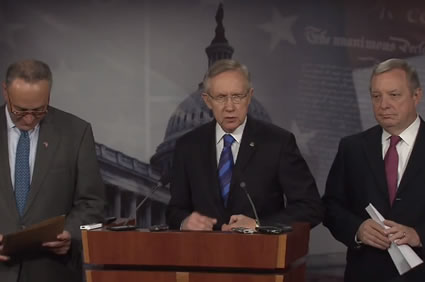 Only one-fifth of one percent of U.S. taxpayers would pay the surcharge proposed by Senate Majority Leader Harry Reid to offset the costs of President Obama’s jobs bill. These figures show that in the majority of states only one-tenth of a percent of taxpayers would pay the surcharge in 2013. Only in one state would the share of taxpayers paying the surcharge exceed one percent.
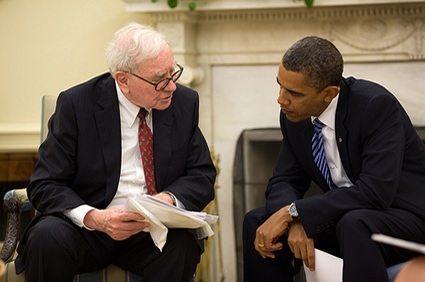 In his September 19 speech outlining his deficit-reducing plans, President Barack Obama proposed what he called the “Buffett Rule,” the principle that the super wealthy should not pay a lower rate of federal tax than middle-class taxpayers. This report shows why the Buffett Rule is sorely needed.
 This one-page fact sheet explains why Congress should enact a “revenue-positive” corporate tax reform and addresses the most frequently asked questions about corporate taxes.
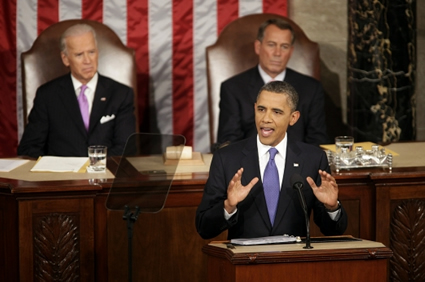 The American Jobs Act proposed by President Barack Obama includes provisions to offset its estimated $447 billion cost by taxing wealthy individuals, investment fund managers, and profitable companies, mainly oil and gas companies. The vast majority of the revenue would be raised by the provision to limit the value of tax deductions and exclusions for high-income people. This provision would impact 2.3 percent of taxpayers, and 75 percent of the resulting tax increase would be paid by those among the richest one percent of taxpayers.
 Congress has several options for raising revenue by reducing or eliminating regressive tax subsidies that benefit profitable businesses and wealthy investors. This report describes several of these options, and includes revenue estimates from the non-partisan Joint Committee on Taxation (JCT) and Congressional Budget Office (CBO).
 The 15.1 percent of individuals and 11.7 percent of families living in poverty in 2010 according to newly released Census data are the Americans most likely to be harmed by calls in Congress to address the large numbers of people who allegedly are “paying no taxes.” Aside from recipients of Social Security benefits (which are largely untaxed), all but the poorest Americans do pay federal income taxes or federal payroll taxes or both.
 President Barack Obama’s recent proposal to extend the 2 percent payroll tax holiday, which is currently in effect through 2011, is neither the most effective policy, nor the least effective policy, for boosting the economy. The estimates provided here compare the effectiveness of the payroll tax holiday and other policy options.
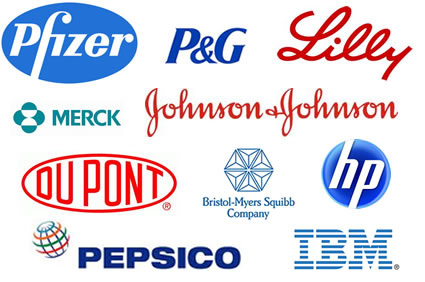 that repatriated the most offshore profits under the temporary repatriation amnesty enacted by Congress in 2004 now have almost triple the amount of profits “permanently reinvested” (i.e., parked) overseas as they did at the end of 2005. The figures call into question a recent report from the New Democrat Network (NDN) supporting a second repatriation amnesty.