
In the final hours before the state’s new fiscal year was to begin, Iowa 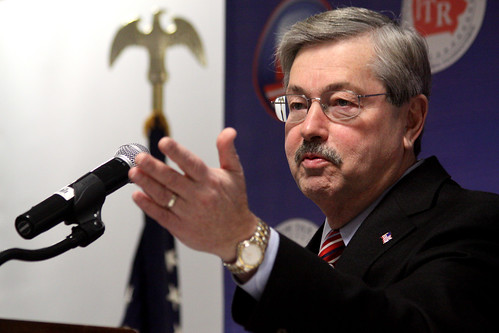 lawmakers agreed on a two year, nearly $6 billion, budget plan. The new budget was heavily debated during the state’s third longest legislative session. The state’s budget is now balanced for the next two fiscal years, and compromise on some key issues was reached.
For example, the Press-Citizen reports that Democrats agreed to freeze school spending for the current fiscal year and then to increase funding by two percent in 2013. Republicans agreed to provide $59 million for the state’s preschool program, more than they originally proposed.
In the case of costly cuts to corporate property taxes, however, no final agreement was reached; and that is a victory for tax justice advocates.
Governor Terry Branstad wanted to drastically reduce corporate property taxes. His proposal would have allowed businesses to shelter a full 40 percent of their property’s value from the property tax (by assessing commercial property at only 60 percent of its actual value for tax purposes). When fully implemented, the price tag for this measure was about $500 million.
House Republicans weren’t willing to go that far, offering to shelter 25 percent of a property’s value. Senate Democrats were only interested in allowing targeted tax credits instead of across the board cuts. Ultimately, Iowa policy makers weren’t able to come to any sort of agreement.
But then, when it comes to handouts for corporations, that’s not such a bad thing.
Photo via Gage Skidmore Creative Commons Attribution License 2.0

 (ALEC), working with Arthur Laffer and Stephen Moore, has
  from Illinois business lobbyists warning that businesses will leave the state have forced the Illinois state legislature to
 With the state’s gas tax pegged to the price of gasoline, North Carolina is scheduled to raise its gas tax rate tomorrow (July 1). This increase was entirely predictable, but is understandably controversial. Unfortunately, the debate surrounding what to do in the wake of this increase has been far too narrow, focusing on just two options: capping the maximum tax rate, or doing nothing at all.Read the ITEP
  Governor Lincoln Chafee’s balanced and reform-minded approach to closing the state’s budget shortfall for next fiscal year.
 months of intense negotiations between the state’s Democratic governor, Mark Dayton, and the Republican controlled legislature, neither party seems prepared to budge from their preferred positions on balancing the budget.
  New Hampshire joins the majority of states that have patched
  It’s no secret that once enacted, tax breaks receive far too little scrutiny from state lawmakers. Consider the debacle in Missouri, for example, where the state